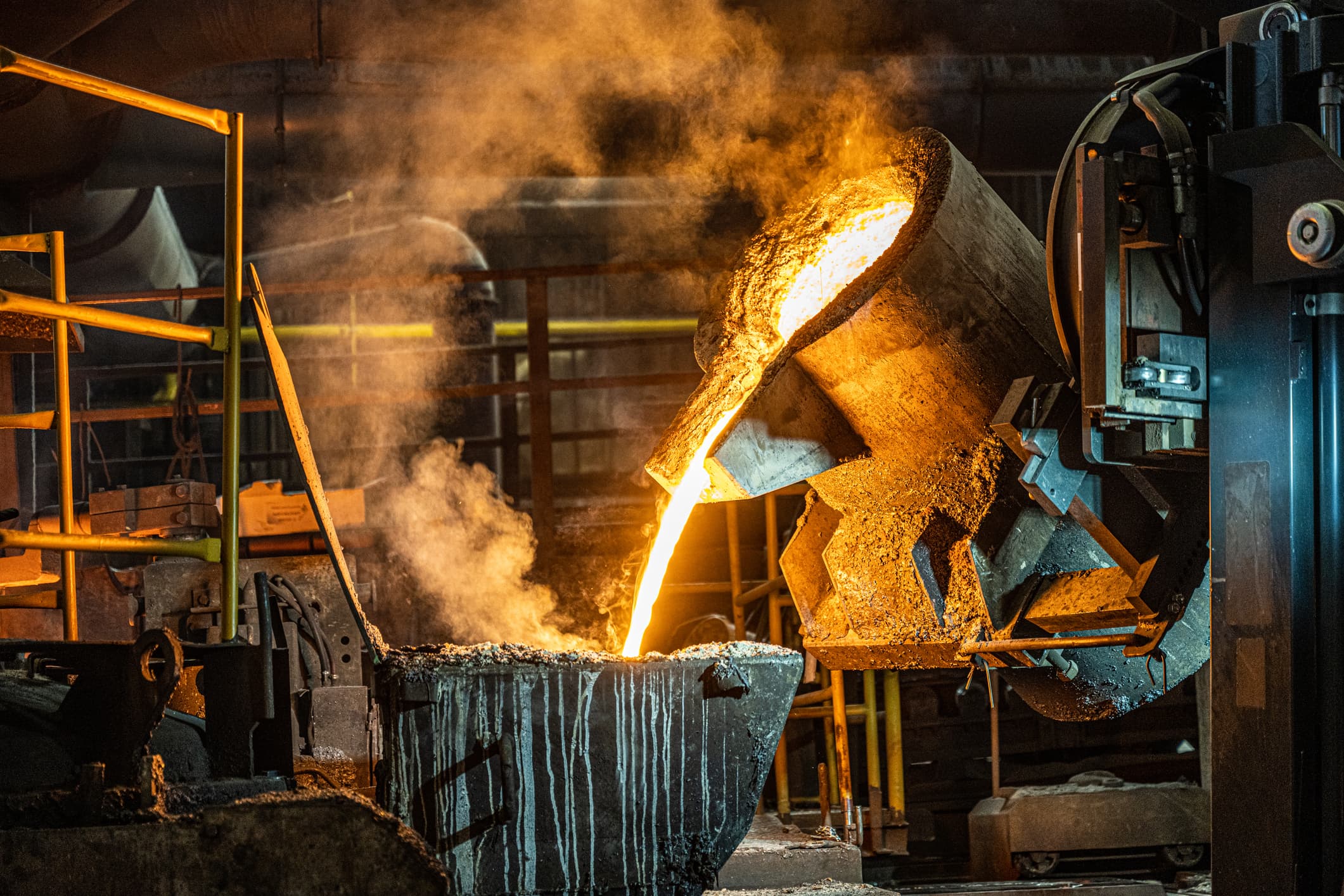
Industry runs on heat. Not electricity.
22% of global energy consumption goes to industrial heat. Almost all of it comes from fossil fuels. Without solving high-temperature heat, we will not reach climate targets.
Read more22% of global energy consumption goes to industrial heat. Almost all of it comes from fossil fuels. Without solving high-temperature heat, we will not reach climate targets.
Read more
Industrial heat cannot be managed with hardware alone. Storing thermal energy is just one aspect of the process. To replace fossil fuels at scale, industry needs intelligence layered on top of infrastructure. It requires control, forecasting, and optimisation in real time.
Read more
Renewable energy has become remarkably cheap. In many regions, solar and wind now produce electricity at lower cost than coal and gas. At times of high production, power prices even fall close to zero.
Read more
Steel. Cement. Chemicals. Food. Materials. Almost everything we build and consume depends on extreme, stable temperatures — often above 1,000°C, delivered 24 hours a day, all year round.
Read more
Ebor battery storage system developers US-headquartered Energy Vault and Queensland’s Bridge Energy have been awarded a Long-Term Energy Service Agreement under the NSW Electricity Infrastructure Roadmap.
Read more
Europe Needs to Learn Its Lesson: Stop Relying on Imported Energy Growing reliance on American gas looks foolish given how unpredictable the White House has become
Read moreWe talk endlessly about renewable electricity. Solar panels. Wind farms. Batteries. But industry does not run on hope — it runs on heat. And today, that heat still comes from fossil fuels.
Read more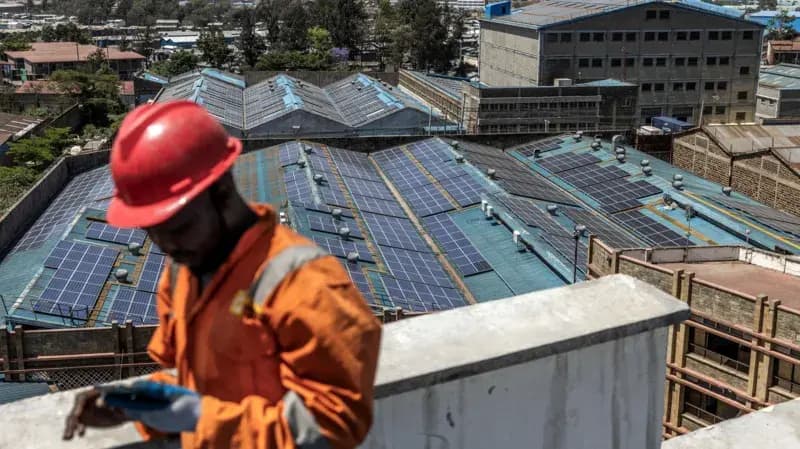
Renewable energy overtook coal as the world's leading source of electricity in the first half of this year - a historic first, according to new data from the global energy think tank Ember.
Read more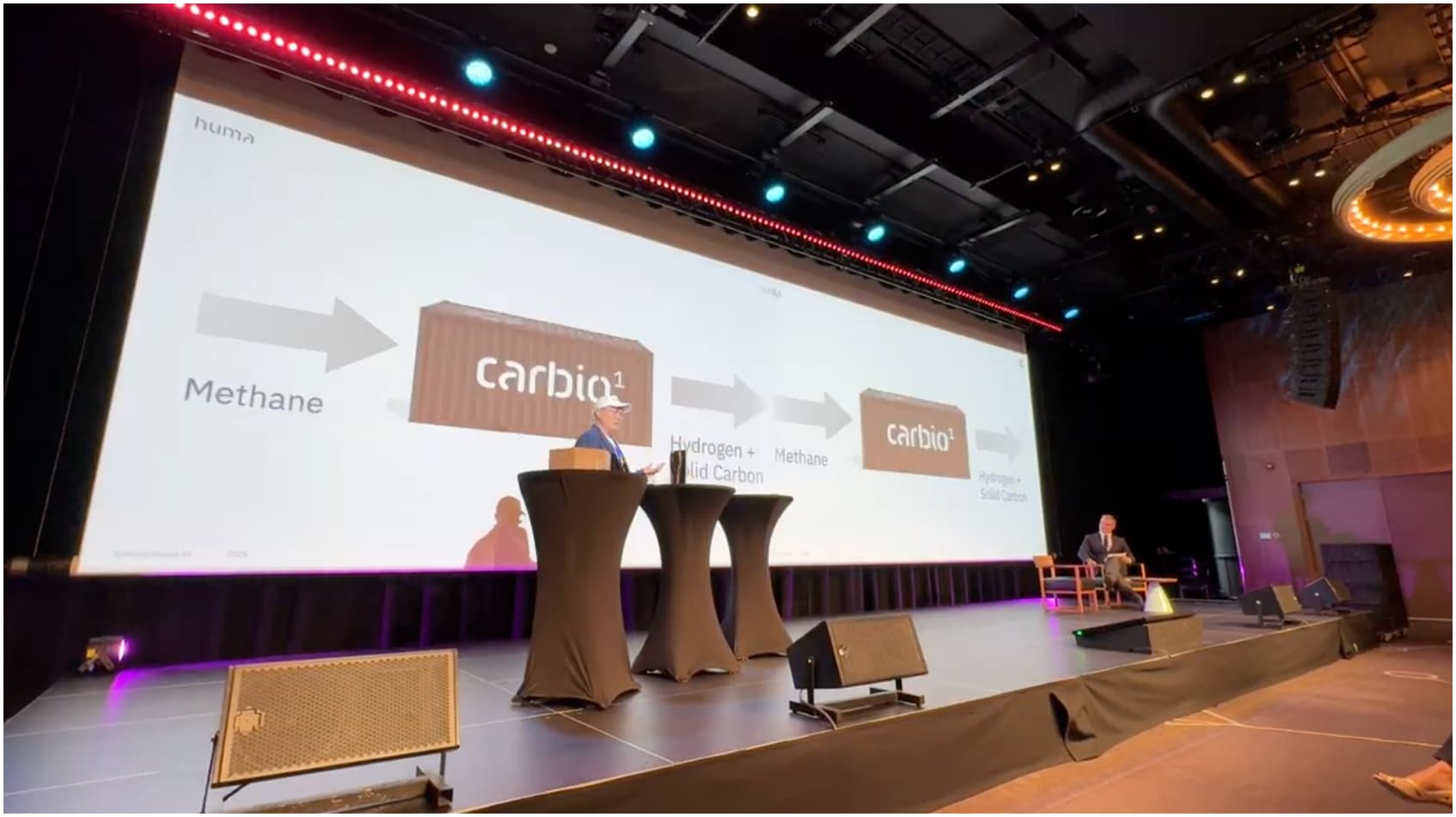
Today, most carbon ends up in the atmosphere as CO₂, driving climate change. But if we separate it properly, part becomes clean air – and part becomes usable carbon.
Read more