
This is not because renewables are insufficient. It is because availability and demand rarely align. Energy is often cheapest when it is least needed and most expensive when demand peaks. Industry, however, cannot adjust its operations to the weather. Steel mills, cement kilns, chemical plants, and data centers require stable energy inputs around the clock.
The challenge is not generation. It is timing.
If we want to decarbonise the industry, stabilise energy systems, and reduce exposure to volatile power markets, we must solve a simple but fundamental problem: store energy when it is abundant and cheap—and release it when it actually matters.
The economics of timing
Energy markets are increasingly defined by volatility. As more solar and wind enter the grid, price fluctuations grow. Midday oversupply pushes prices down. Evening demand drives them up. Seasonal variation adds another layer of instability.
For consumers, this means unpredictable bills.
For industry, it means risk.
Energy-intensive companies experience a reduction in margins when they must purchase power at peak prices. Stressed grids cause production to slow down. When companies rely on fossil fuels for backup, their emissions persist.
Energy storage changes this equation. By capturing surplus renewable energy when supply is high and prices are low, it becomes possible to decouple production from price spikes. Stored energy acts as a buffer between volatility and operation.
Such an approach is not only a climate solution. It is a financial one.
Reliability is the real barrier
The energy transition is often framed as a question of cost or technology. In reality, the central issue is reliability.
Industrial processes are built around certainty. Temperature must be precise. Output must be continuous. Interruptions are expensive and sometimes dangerous. No operator will replace a stable fossil fuel system with something that depends on sunshine or wind forecasts.
Storage transforms intermittent energy into dependable energy. It allows renewables to behave like conventional fuels — not by burning them, but by ensuring continuity.
Renewable power transitions from being a supplement to infrastructure when it can store energy at scale and deliver it on demand.
From consumption to control
Historically, energy users have had little control over when energy is produced or how much it costs. They consume what is available at the price set by the market.
Storage shifts that balance.
Instead of reacting to the grid, businesses can plan around it. They can purchase energy strategically, store it efficiently and deploy it precisely when needed. This creates predictability in both operations and budgeting.
Over time, this shift does more than reduce emissions. It strengthens competitiveness. It shields companies from geopolitical shocks, fuel shortages and regulatory uncertainties.
In a world of unstable energy markets, control becomes a strategic advantage.
Why this matters for decarbonisation
Global climate goals depend on reducing emissions in the sectors that consume the most energy. Heavy industry is one of them, largely because it relies on continuous high-temperature heat generated by fossil fuels.
Renewable generation alone does not solve that dependency. Without storage, fossil systems remain the default backup.
But when clean energy can be stored and dispatched as needed, fossil fuels lose their structural role. Emissions fall not because processes are cleaned up afterwards, but because combustion is avoided in the first place.
This distinction is critical. Avoided emissions are cheaper and more scalable than captured emissions.
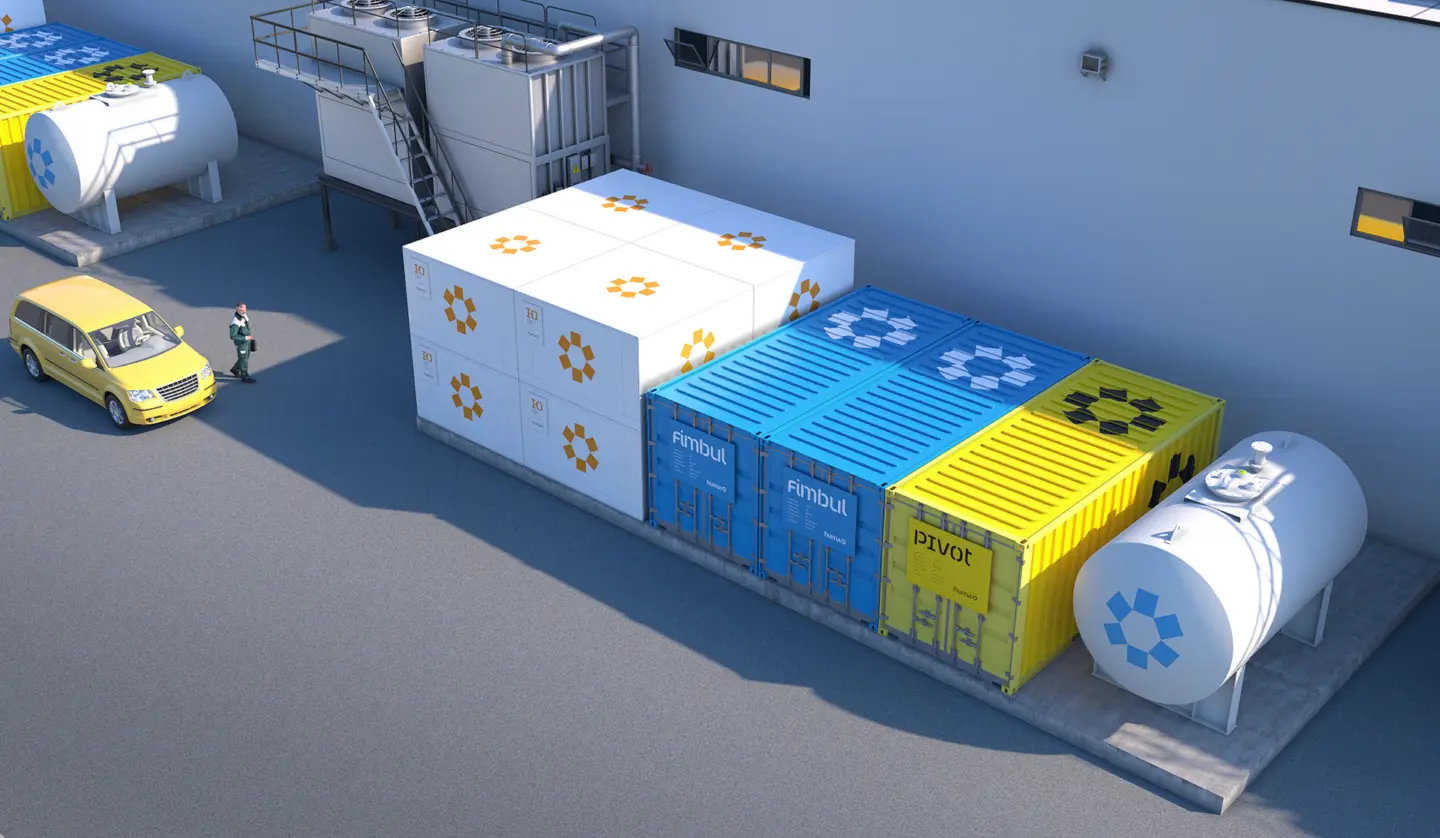
A structural shift in energy systems
Storing energy when it is cheap and using it when it matters is more than a slogan. It represents a redesign of how energy systems operate.
It aligns production with economics.
It aligns sustainability with reliability.
It aligns climate ambition with industrial reality.
We won't win the transition to clean energy solely by generating more power. It will be won by managing that power intelligently — by making abundance usable and by turning volatility into stability.
Renewables become the foundation of modern industry when they can store energy efficiently and deliver it precisely.
And that is when the energy transition truly accelerates.