Calora
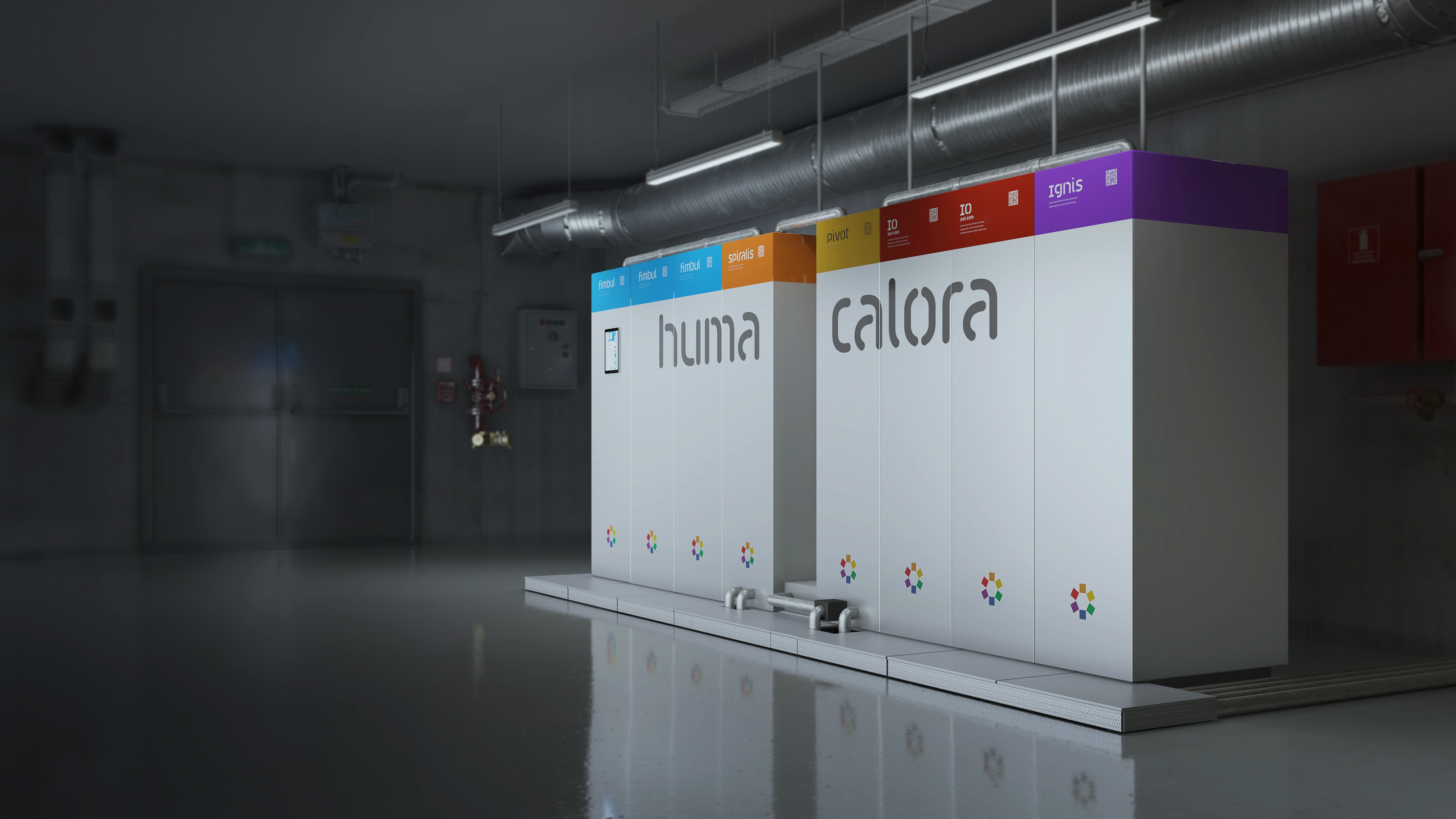
High-temperature heat storage for industry
Some energy challenges cannot be solved by incremental improvements. They require a different way of thinking about storage. At Huma, advanced modelling, engineering experience and AI optimisation have led to a new approach: storing renewable electricity as high-temperature heat.
The result is Calora — a thermal energy platform designed for the industries and systems where reliable energy matters most. Calora stores renewable electricity as heat and delivers continuous industrial energy when it is needed. From 150°C to 1000°C – without fossil fuels.
Always on. Zero waste. One solution for thermal energy.
Capture cheap electricity
Calora charges when electricity is cheap or abundant from renewable sources.
Store energy as heat
Energy is stored inside iron-based thermal batteries at very high temperatures.
Hold energy for hours or days
The thermal storage keeps energy ready until it is needed.
Deliver industrial heat or power
The stored heat can be delivered as hot water, steam, electricity and cooling for industrial processes and energy systems.
The problem
Most industrial heat today still comes from fossil fuels. Not because companies want it that way —
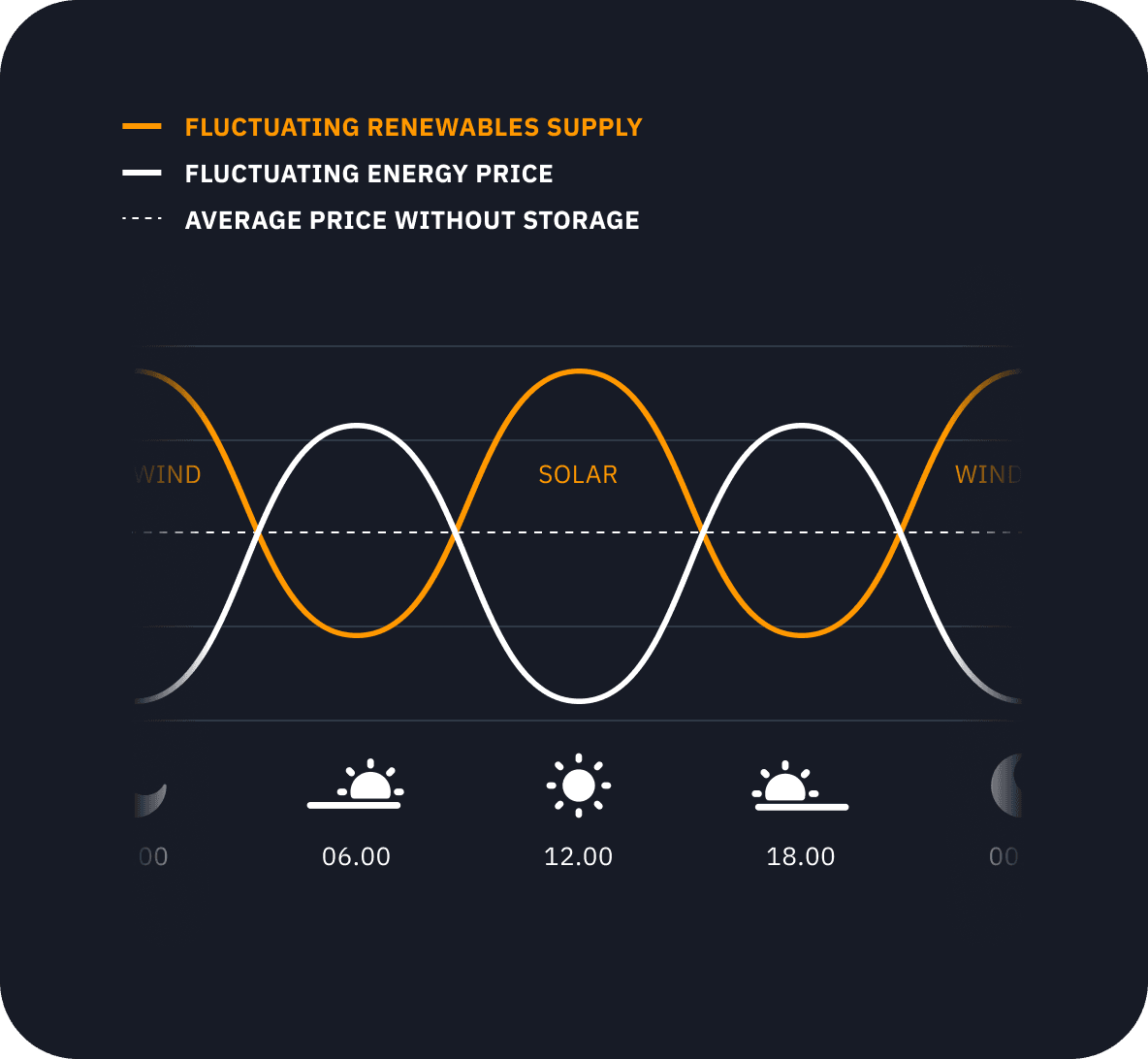
However, renewable electricity is intermittent and difficult to store as heat.
Wind and solar often produce power when demand is low.
Industry needs heat 24/7. This mismatch is one of the largest barriers to industrial decarbonisation.
The solution
Calora solves this by storing electricity as high-temperature heat. When electricity prices are low, Calora stores energy. When heat or power is needed, the system releases it.
The result is stable industrial energy without fossil fuels.
200 kWh
storage capacity
97,5%
efficiency
100+ year
lifespan
Up to 50%
Reduction in factory cost per MW
Calora is positioned to revolutionize commercial water heating by providing thermal storage that costs less to install and operate than any conventional alternative while delivering superior performance and reliability.
200 kWh
storage capacity
97,5%
efficiency
100+ year
lifespan
Up to 50%
Reduction in factory cost per MW
Calora is positioned to revolutionize commercial water heating by providing thermal storage that costs less to install and operate than any conventional alternative while delivering superior performance and reliability.
Applications
Calora enables industries and energy systems to replace fossil heat with stored renewable energy. From manufacturing and data centres to district heating and advanced fuel production, the system converts renewable electricity into stable high-temperature energy.
Data Centres
Modern data centres require vast amounts of energy while producing large quantities of heat. Calora enables that energy to be stored and reused, turning data centres into stable energy hubs.
Read more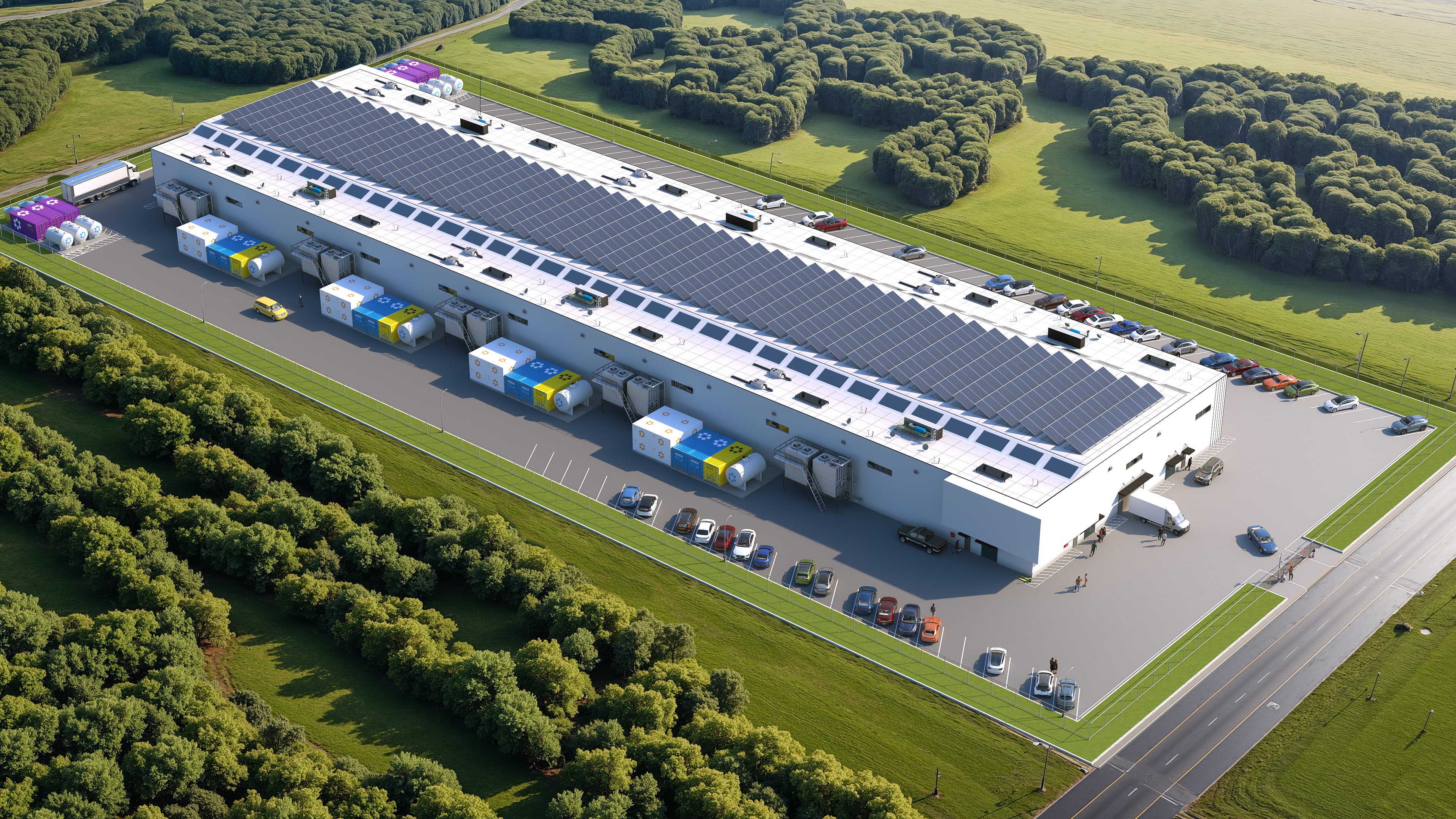
Industry
From steel and cement to food and chemicals, industrial production requires large amounts of high-temperature energy delivered continuously. Calora enables the stability, temperature and scale that you need, without fossil fuels.
Read more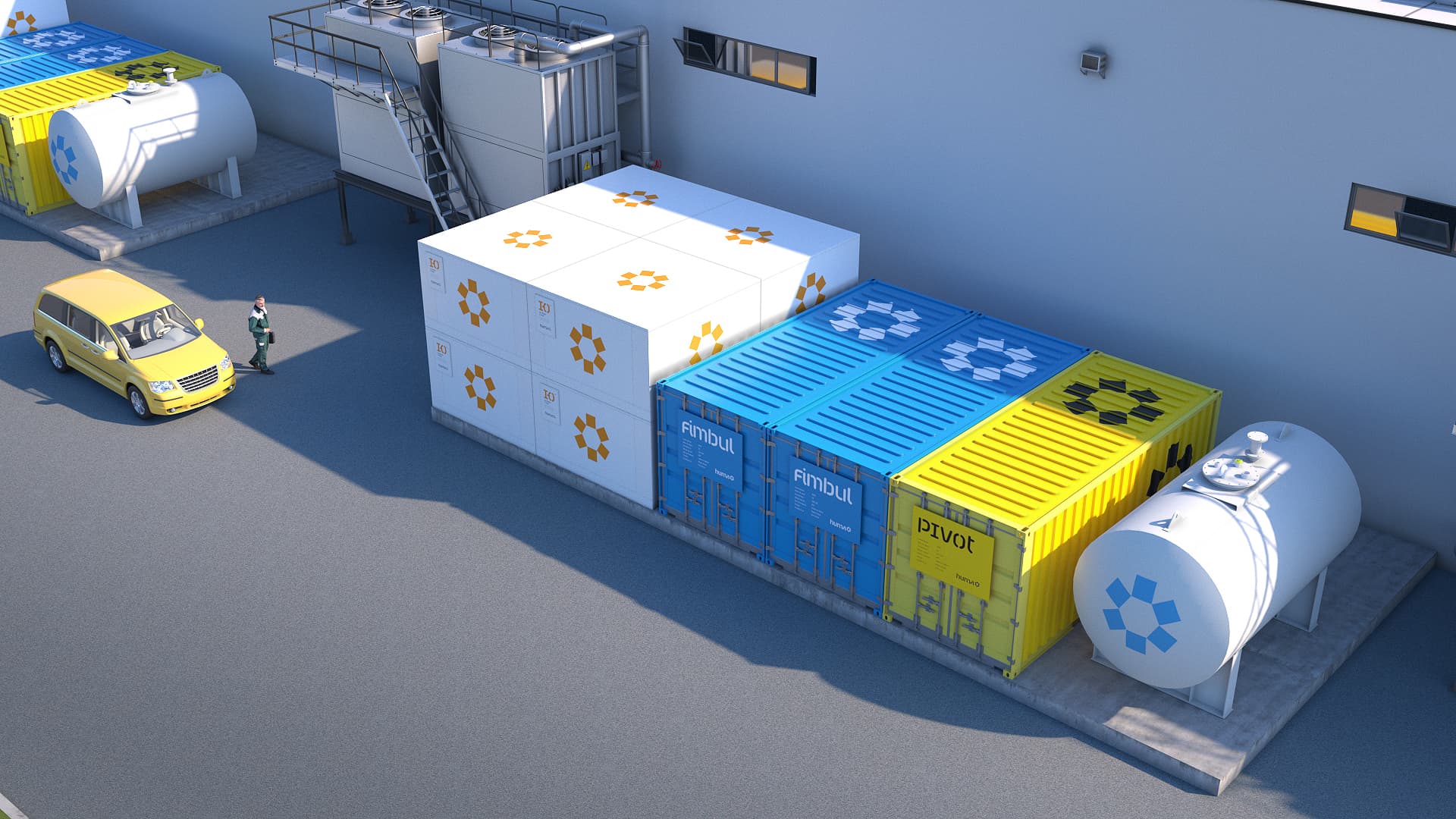
Waste-to-fuel
Waste streams contain large amounts of recoverable energy. Through advanced thermal conversion processes, they can be transformed into fuels such as methanol, hydrogen and synthetic fuels. Calora delivers the stable high-temperature heat these processes require.
Read more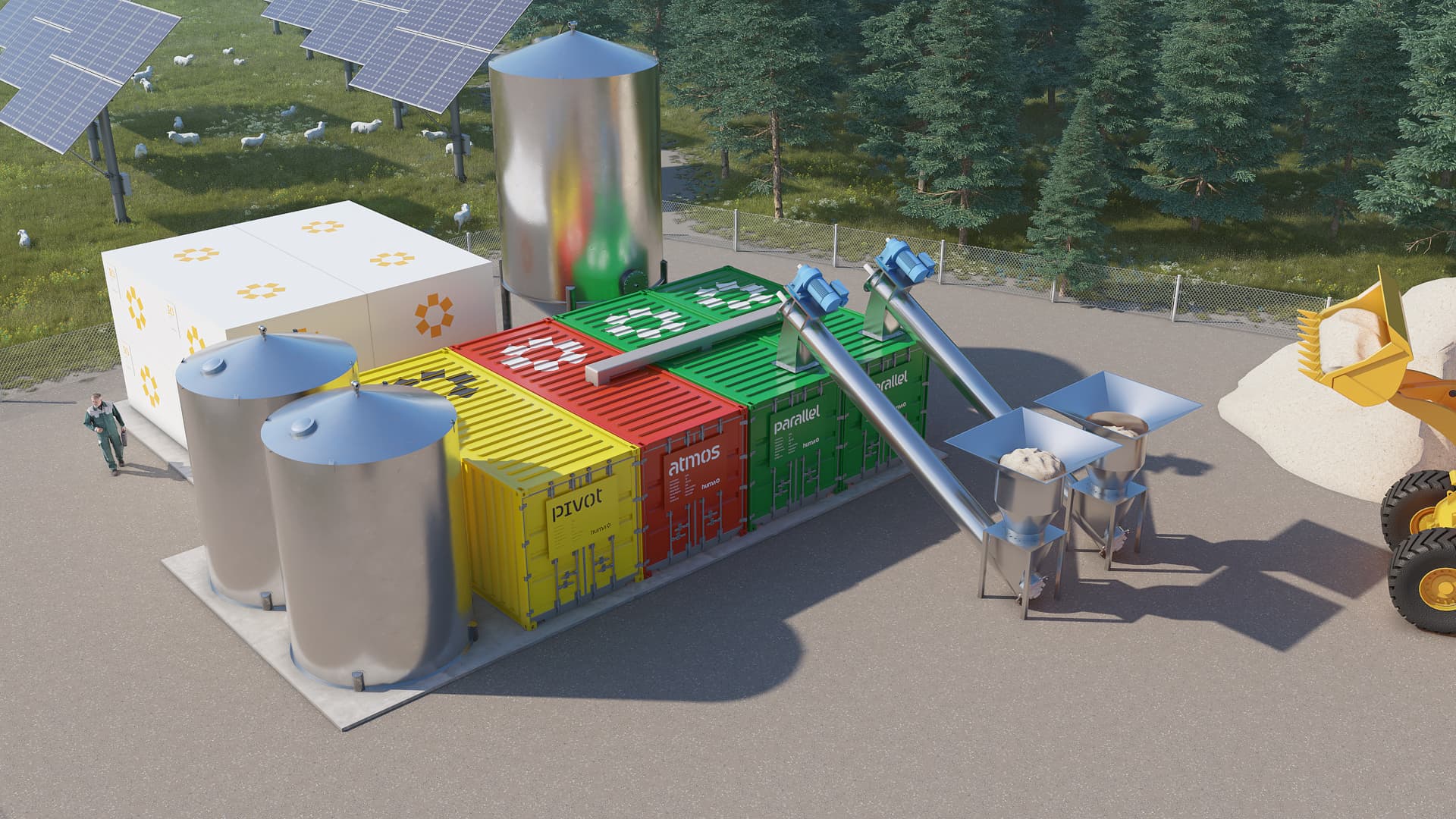
District & Building Heating
Calora allows cities to store renewable electricity as heat and deliver it through district heating networks whenever demand requires it. The system enables reliable, low-carbon heating for both new urban developments and existing district heating infrastructure.
Read more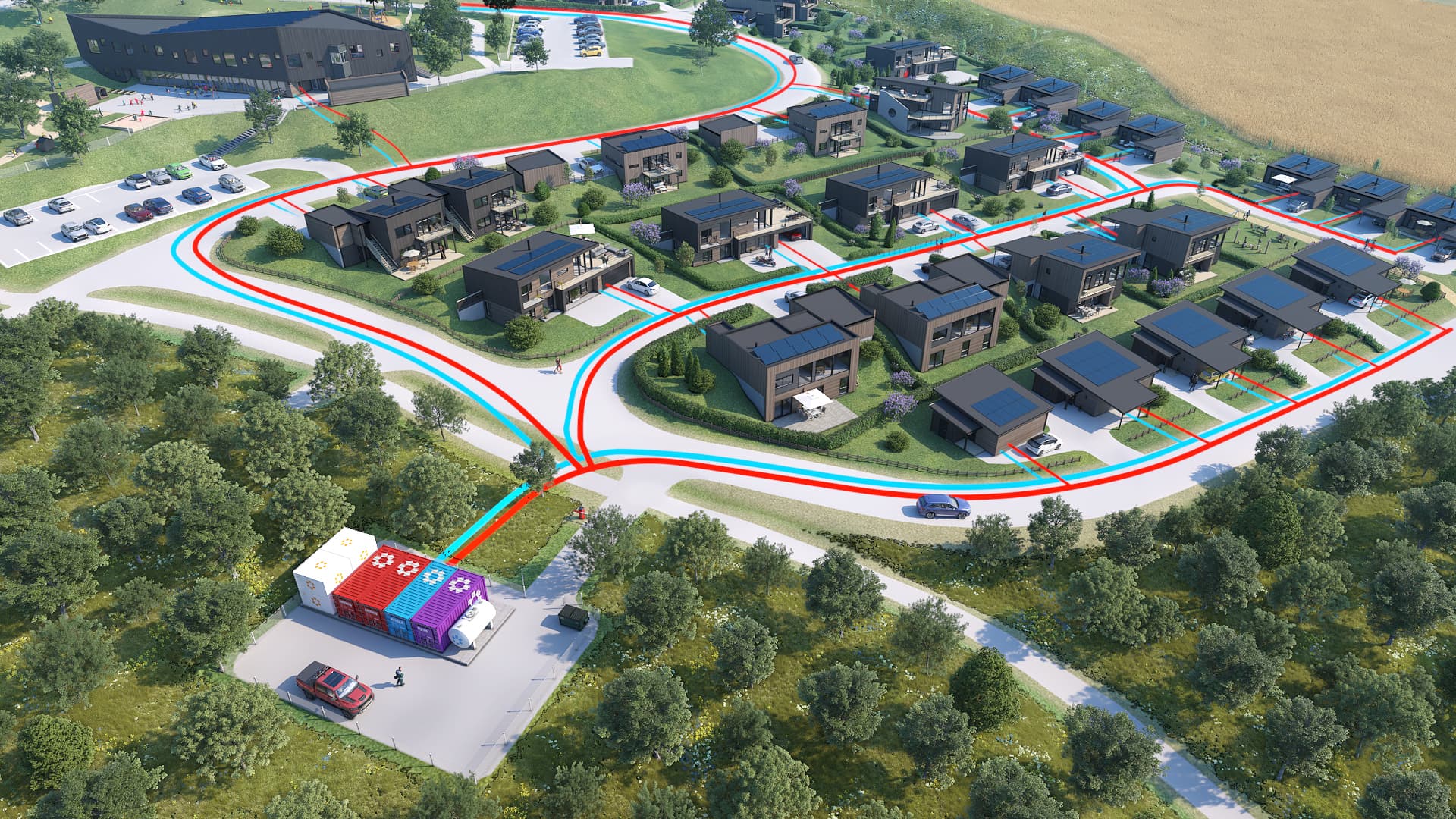
Data Centres
Modern data centres require vast amounts of energy while producing large quantities of heat. Calora enables that energy to be stored and reused, turning data centres into stable energy hubs.
Read moreIndustry
From steel and cement to food and chemicals, industrial production requires large amounts of high-temperature energy delivered continuously. Calora enables the stability, temperature and scale that you need, without fossil fuels.
Read moreWaste-to-fuel
Waste streams contain large amounts of recoverable energy. Through advanced thermal conversion processes, they can be transformed into fuels such as methanol, hydrogen and synthetic fuels. Calora delivers the stable high-temperature heat these processes require.
Read moreDistrict & Building Heating
Calora allows cities to store renewable electricity as heat and deliver it through district heating networks whenever demand requires it. The system enables reliable, low-carbon heating for both new urban developments and existing district heating infrastructure.
Read moreTechnical specifications
The modular system

Thermoacoustic cooling — no compressor, no refrigerants

High-efficiency ceramic heat exchanger with Dean flow

Pivot Yellow E-turbo power generation — 10× cheaper than turbines
Iron phase-change thermal storage (2,693 kWh/m³)

Mutifuel combustion for extended backup
Technical specifications
Thermal storage core
Standard Stack: 7 modules = 200 kWh | 0.2 m³ | 385 kg
E-Turbo Power Generation
Ceramic Heat Exchanger
Thermoacoustic Cooling
Combustion Backup
System Configurations
Config
Io Stack
Storage
Power
Heating
Cooling
Config
Io Stack
Storage
Power
Heating
Cooling
Operating Modes
- TES Discharge: Io → hot N₂ → Pivot → electricity (zero fuel cost)
- Combustion: Ignis → hot N₂ → Pivot (unlimited duration)
- CHP Mode: Pivot reject heat → Spiralis → building heating
- Cooling Mode: Reject heat → Fimbul → compressor-free AC
- Hybrid: Io + Ignis simultaneous for maximum output
Installation
- Standard HVAC/electrical/plumbing trades
- Total install time: 1–2 days