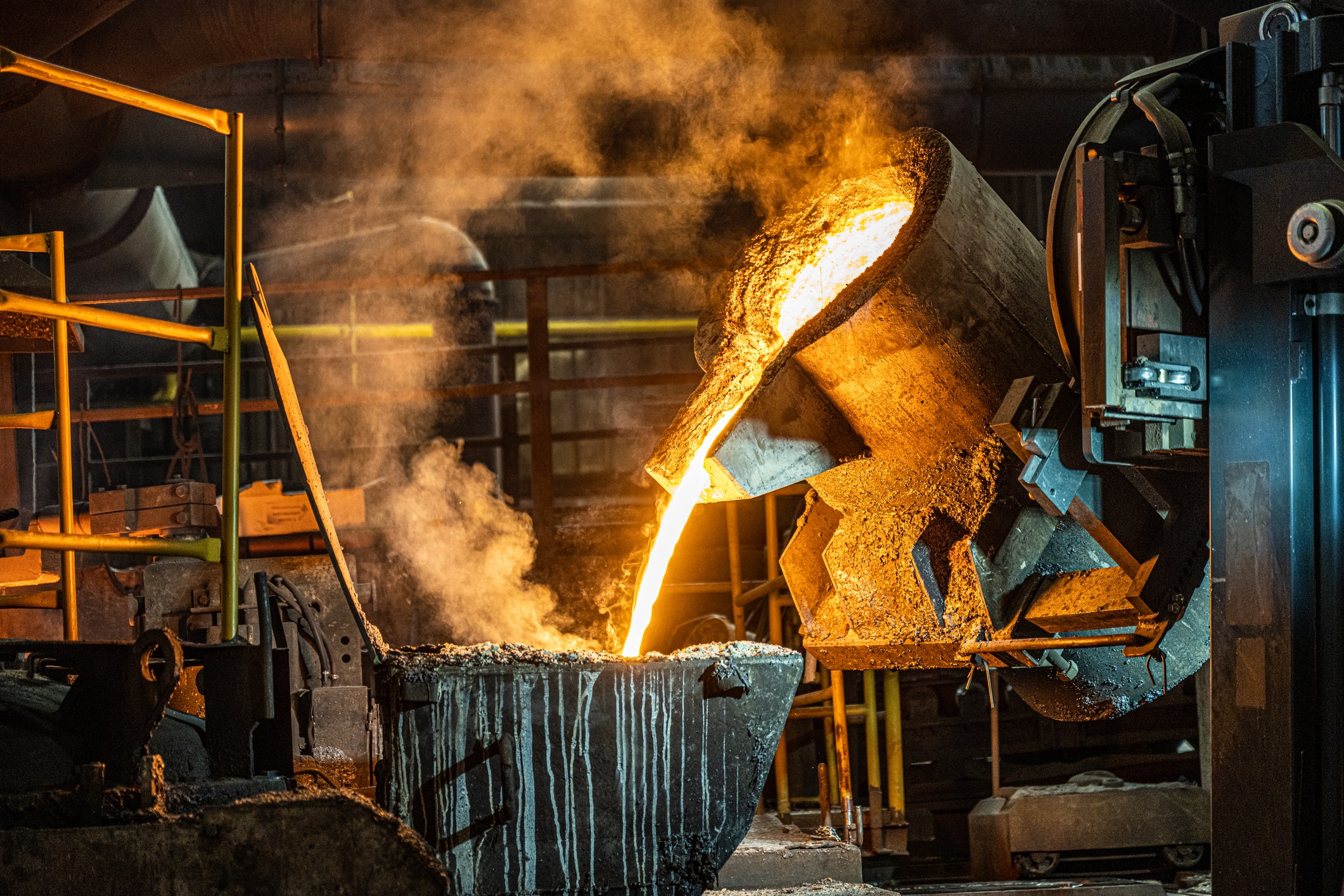
When we talk about the energy transition, the conversation almost always revolves around electricity. Solar. Wind. Batteries. The grid.
But industry does not run on electricity.
It runs on heat.
To produce steel, cement, chemicals and the materials our societies are built on, temperatures from 100°C to well above 1500°C are required. Roughly half of industrial heat demand lies above 500°C — a range where purely electric solutions become difficult to scale efficiently. And this demand does not stop when the sun sets. It continues 24 hours a day, all year round.
This is not a niche problem.
It is the backbone of the global economy.
Today, almost all high-temperature industrial heat comes from coal, oil and gas. Not because it is sustainable — but because it works. Fossil fuels are, in effect, stored energy. They can be deployed at any moment, deliver high power instantly, and maintain stable temperatures over long periods.
That is exactly what industry requires:
predictability, stability, high output, and continuous operation.
Simply producing more renewable electricity does not solve this.
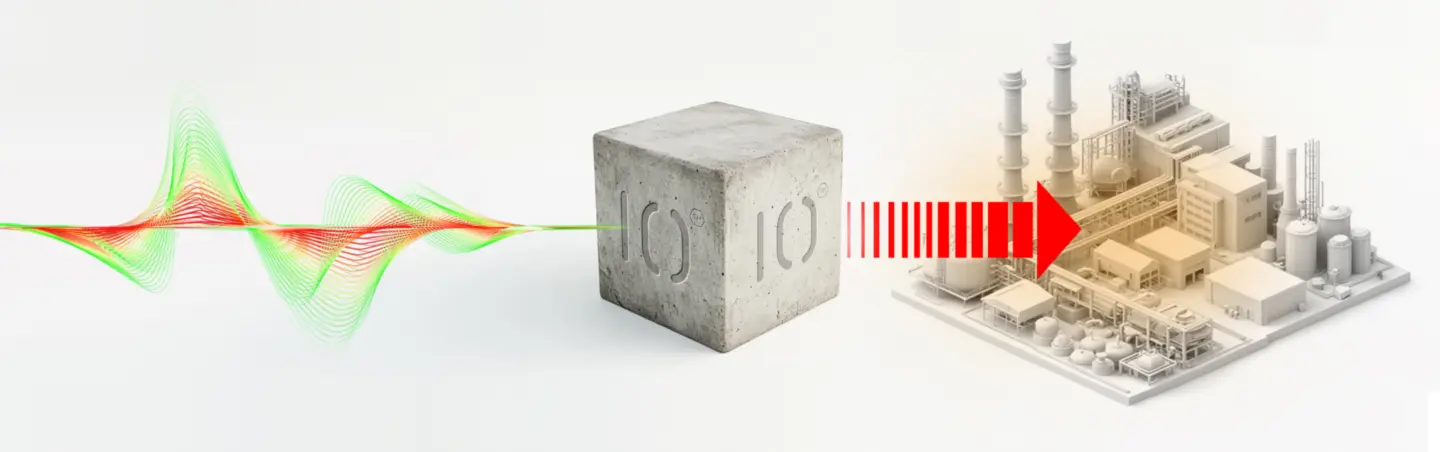
The sun sends more than 20,000 times more energy to Earth each year than humanity consumes globally. Availability is not the problem. Timing is.
Solar and wind are variable. Industry is not. Production lines cannot pause because the weather changes.
Fossil fuels inherently include storage. For renewables to compete, they must do the same.
Electric batteries store electricity.
Industry, however, needs high-temperature heat — at scale and on demand.
This is a fundamentally different system challenge.
Carbon capture can reduce emissions from existing processes, but it does not address the root cause. We continue burning fossil fuels — and add expensive infrastructure to manage the consequences. Avoiding emissions is far more effective than capturing them after they occur.
The conclusion is straightforward:
Without a solution for high-temperature industrial heat:
– we will not meet climate targets
– industry will remain fossil-dependent
– energy costs will remain volatile
The energy transition is not only about electricity.
It is about heat.
And this is where Huma comes in.